

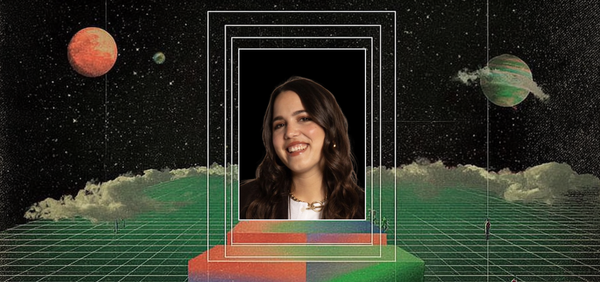
From multicultural brand work to writing novels and screenplays, Sol Ricagni has built a creative practice that stretches well beyond the agency walls. Here, she shares what fuels her ideas and how she keeps her creative instincts sharp.
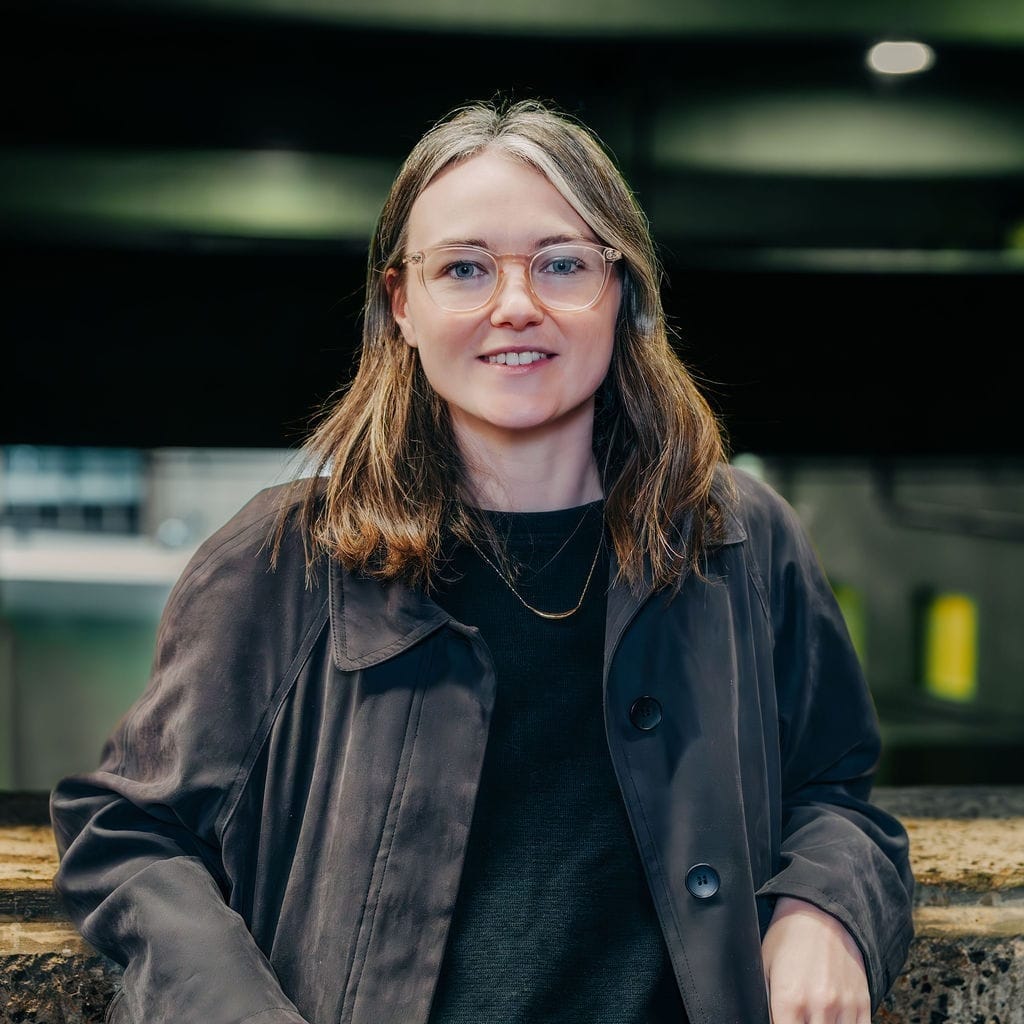
Hannah Bowler
The signals beneath the noise. We track slow culture, emerging scenes, and values shifts shaping how people live, work, play – and what that means for the products, media, and experiences they choose next.

We’ve become used to sharing everything online, but now people are finding enjoyment of experiences without an audience. Annie Harte explores the resurgence of analogue culture and what it could teach brands about creating spaces not just for performance.
Annie Harte

Long before he was building brands, Squarespace’s Nate Skinner was studying culture through record sleeves and the sprawling web of Britpop‑era music journalism – a habit he now credits with proving that cultural curiosity, more than anything else, is what helps brands find their audience.
Hannah Bowler
Explore our archive of articles, interviews, and creative projects

Forget the pizza and Thursday drinks. Brand and creative leaders at Lovable, OpenAI, Lloyds and Semrush reveal what will actually shape a company’s culture – and why customers feel the difference even when they never see it.
Hannah Bowler

A lot of company values are worth no more than the paper they’re written on. But many agency leaders I spoke to during the first season of Uncut shared with me their guiding principles, which was often a motto they saw as the agency’s operating instructions.
Alex Zeevalkink