I’ll start this article with a disclaimer. One thing that has pained me as a writer covering the AI boom is the number of times I’ve had to use the word ‘human’ as a way to distinguish between machine-made. Well, this is an article all about that distinction, so this piece contains 19 mentions of the word ‘human’.
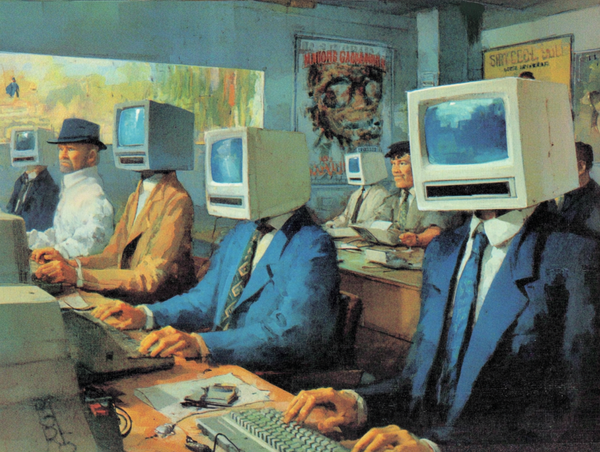
When sifting through the many trends reports for 2026, one thing has become abundantly clear: this year branding and advertising will see a rejection of AI-generated creative. In this pushback on overtly AI-made advertising, brands and agencies are going to start touting their ‘human-made’ creative.
There has been both a mocking of AI slop within adland, as well as high praise for brand work that has been done using traditional techniques. Take the Jonas Brothers’ Almond Breeze campaign that mocked ad execs for proposing ridiculous AI-generated ideas. The Apple TV logo that garnered industry praise for carving into glass rather than using CGI. The recent Hermès website redesign which features hand-made illustrated designs.