
For twenty years the industry told itself it had learned how to extend the life of entertainment. We built second-screen experiences that ran alongside live broadcasts. We filled Twitter with running commentary and encouraged viewers to react in real-time. We created companion apps, backstage streams and a steady flow of additional clips that surrounded a program like scaffolding. At the time it felt progressive to us, we believed we had broken open the format and given audiences a seat at the table. In hindsight it looks like an early, tentative draft.

The Online World of Analogue Living
We’ve become used to sharing everything online, but now people are finding enjoyment of experiences without an audience. Annie Harte explores the resurgence of analogue culture and what it could teach brands about creating spaces not just for performance.
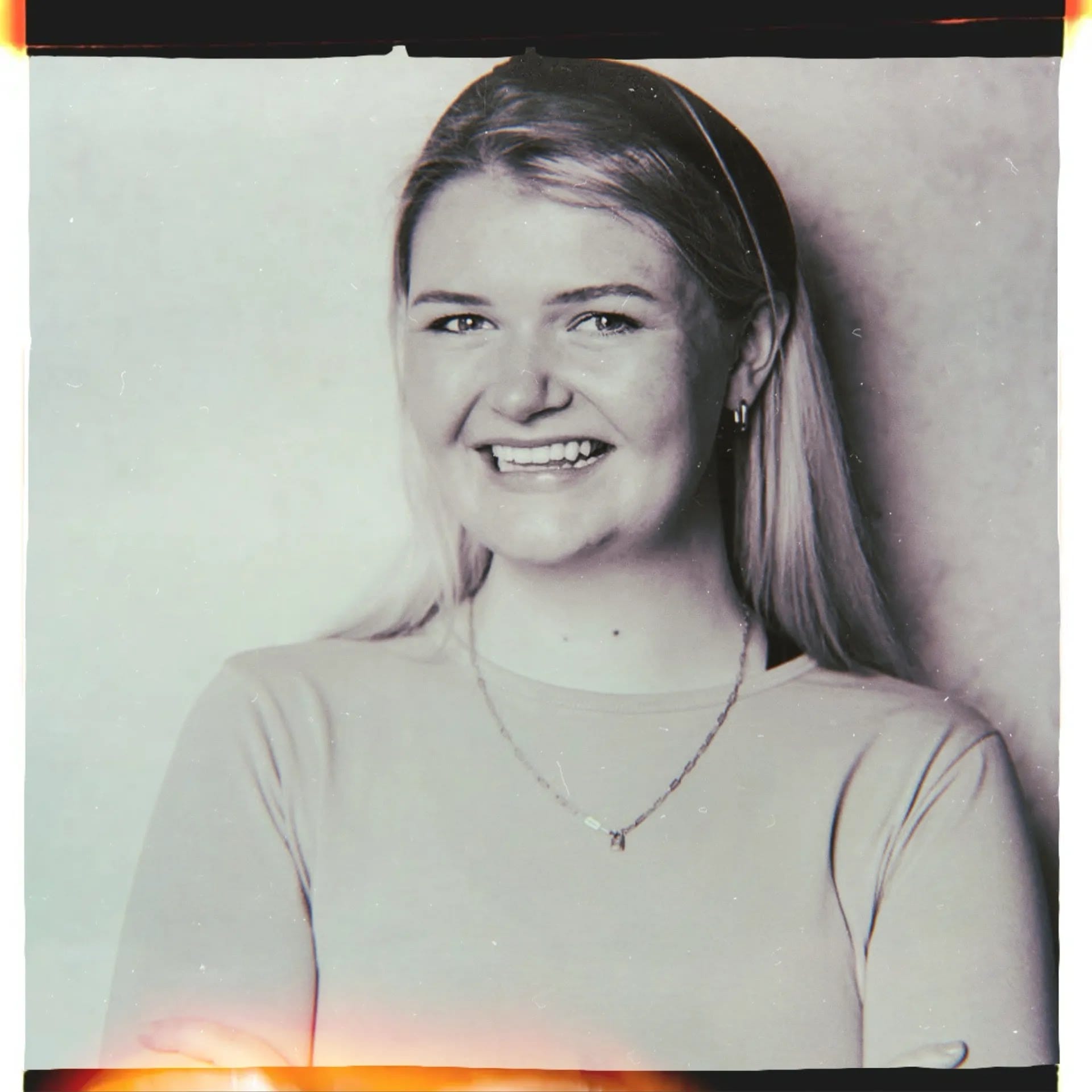
Annie Harte
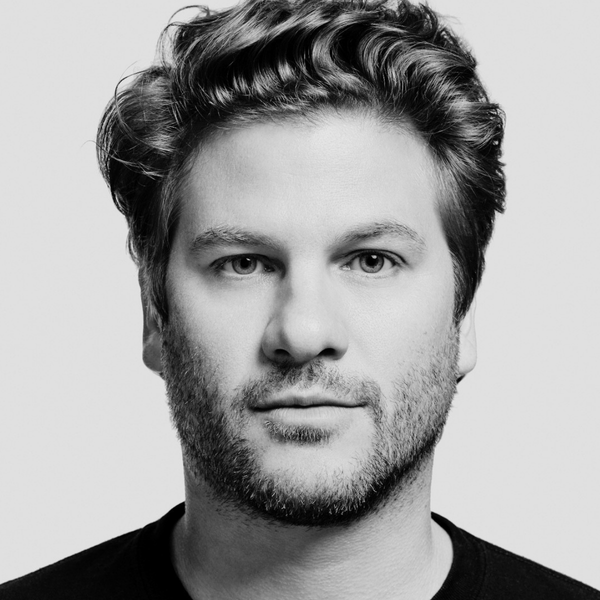
Great Brands Need Cultural Curiosity
Long before he was building brands, Squarespace’s Nate Skinner was studying culture through record sleeves and the sprawling web of Britpop‑era music journalism – a habit he now credits with proving that cultural curiosity, more than anything else, is what helps brands find their audience.
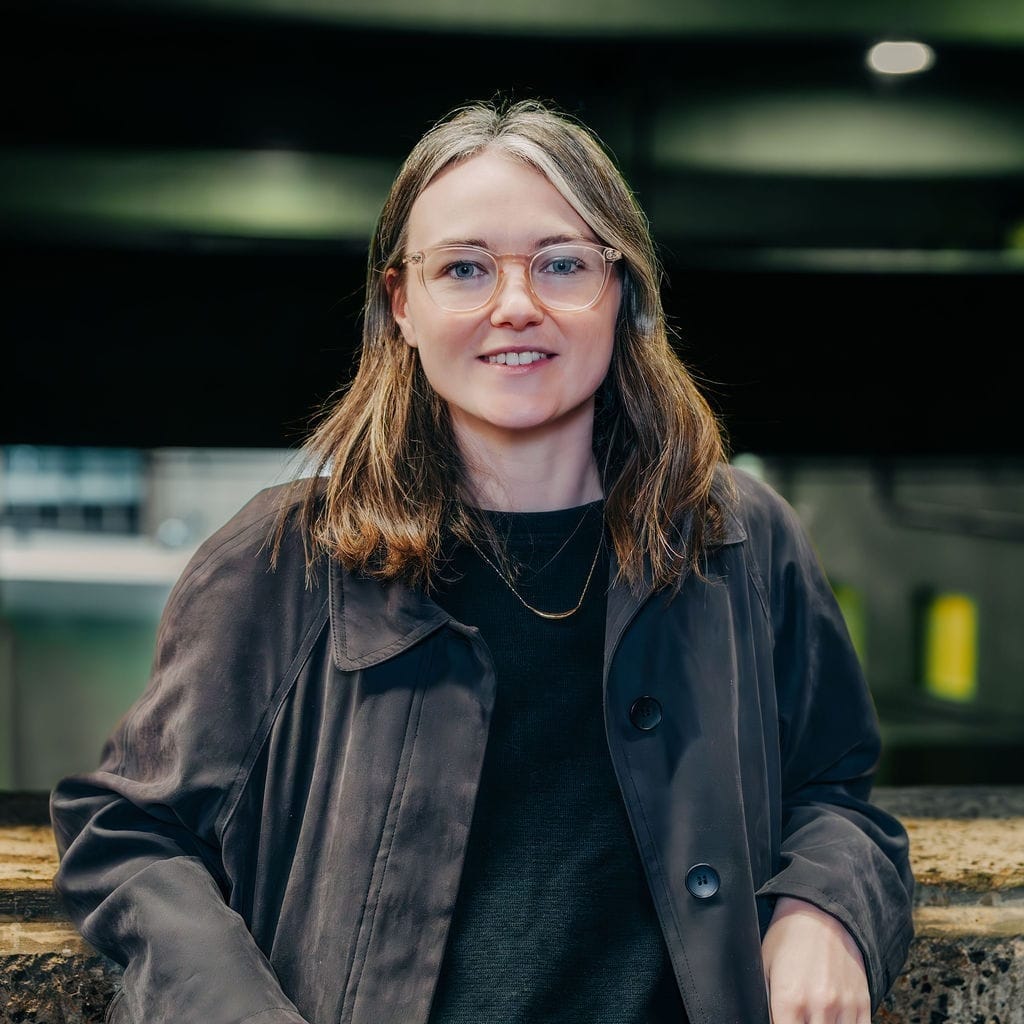
Hannah Bowler

From Creating Campaigns to Crafting Collections
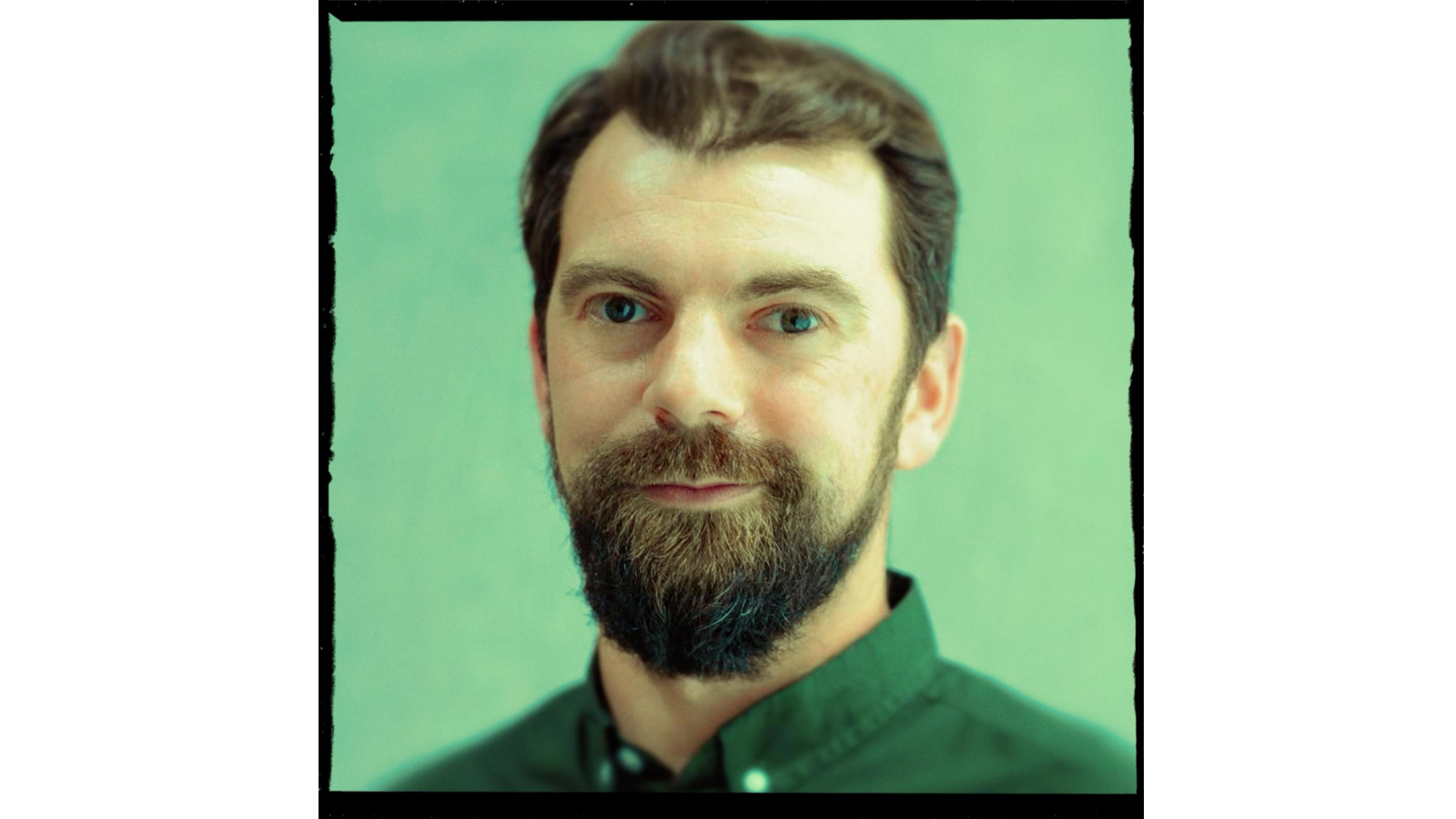
The Midnight Club has made jewelry, candles, honey and now a fashion line with Bianca Saunders. Managing director Emily Mitchell on working without a brief, becoming its own client, and what agencies risk when they create their own things.
Hannah Bowler