

For twenty years the industry told itself it had learned how to extend the life of entertainment. We built second-screen experiences that ran alongside live broadcasts. We filled Twitter with running commentary and encouraged viewers to react in real-time. We created companion apps, backstage streams and a steady flow of additional clips that surrounded a program like scaffolding. At the time it felt progressive to us, we believed we had broken open the format and given audiences a seat at the table. In hindsight it looks like an early, tentative draft.


Football Isn’t Just the 90 Minutes Anymore: 3 Signals for 2026
If you care about how brands show up around big cultural moments, this summer’s World Cup is going to be a stress test. Not just for creative work, but for how well we understand what football actually provides people with in 2026.
Rich Hewes

You Can’t Rent Culture: What Bad Bunny’s Success Just Told Brands
Bad Bunny didn’t switch languages or adapt to the mainstream – and he still ended up owning the Grammys, the Super Bowl and the charts in China. For brands, his rise is a reminder that you can’t buy your way into culture for a quarter and call it a strategy, you need to stay authentic.

Roger Gehrmann

What Real Community Looks Like (And How to Build It)
“Community” is on every marketer's deck right now, but most brands are just renaming their audience strategy. Here’s a more honest – and more hopeful – way to think about audience, fandom and community in a post‑mass‑reach, AI‑everywhere world.

Alex Zeevalkink

Designing for the Feeling: How AI Can Support Creativity and Shapes the Future of Experiences
Audiences aren’t chasing bigger, louder nights anymore. They want experiences that feel human, intentional and emotionally rewarding. Here’s why the next decade of events will belong to those who design for emotional resonance first and use AI as a powerful, but purely supportive, tool.
Contributor
Innovation Is a Mindset, Not a Process
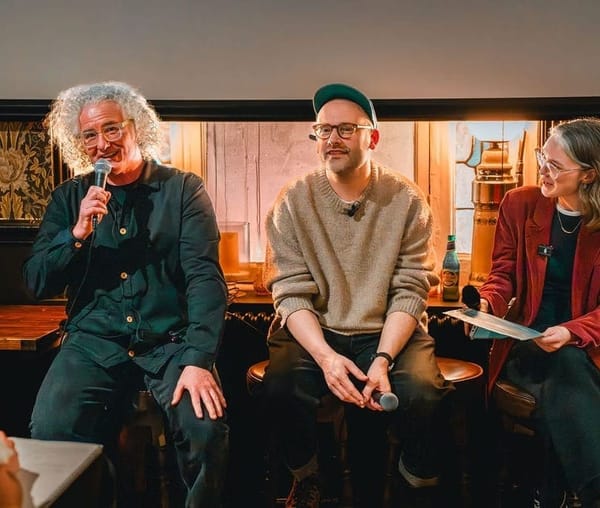
Creativity used to be about chasing ideas worth talking about. Now, as tech eats the word “innovation,” Wayne Deakin and Jeff Bowerman argue that real progress still comes from wandering minds, bold experiments, and work that actually moves people.

Hannah Bowler