

What the Training Data Can’t See

What the Training Data Can’t See

How dyslexia, neurodivergence, and a sideways way of seeing the world become an advantage in an AI era obsessed with speed, compliance, and clean answers.


Share this post

Palantir’s chief executive officer, Alex Karp, said this week that two types of people will thrive in the AI era: those with vocational skills and those who are neurodivergent.

I’m dyslexic. And I have a complicated relationship with that word “thrive.”

Because dyslexia is not a superpower you can switch on. It’s not a productivity hack or a hiring category. Some days it’s the thing that lets you see a pattern no one else can see. Other days it’s the reason a simple email takes four times longer than it should. It’s the reason you avoid certain rooms. The reason you developed instincts that look like confidence but started as compensation.

So when a billionaire CEO frames neurodivergence as a competitive advantage, I get it. And I also don’t. And I say that as someone who does not have much time for Alex or the world he is building. But on this, he’s not far off.


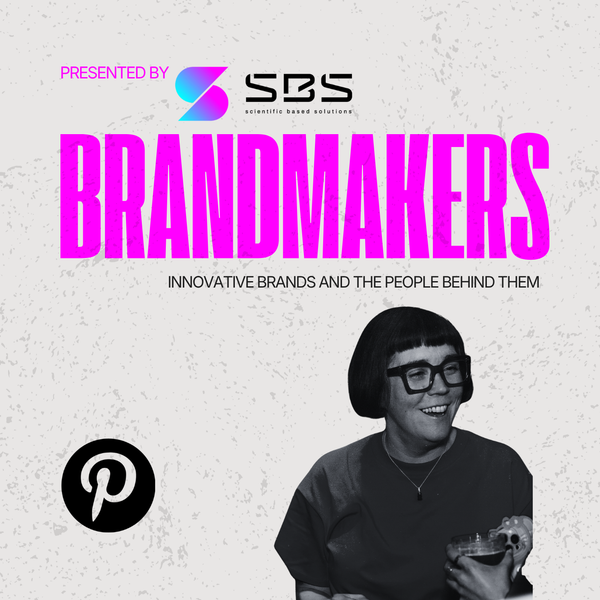
Brandmakers with Louise Foley, Director of Marketing, Europe at Pinterest

Brandmakers with Louise Foley, Director of Marketing, Europe at Pinterest

Listen on Spotify Listen on Apple Music Watch on YouTube Welcome back, it's week three of the Brandmakers podcast, and Hannah is joined this week by Louise Foley, who is director of marketing, Europe at Pinterest. Louise and Hannah got stuck into the subject of trends and signals, and what marketers need to do to stay on the right side of cultural relevance. She also detailed her own marketing strategy and her push into fun and meaningful experiential events. Disclaimer: we recorded thi


Hannah Bowler

Hannah Bowler